
Place
Cahors
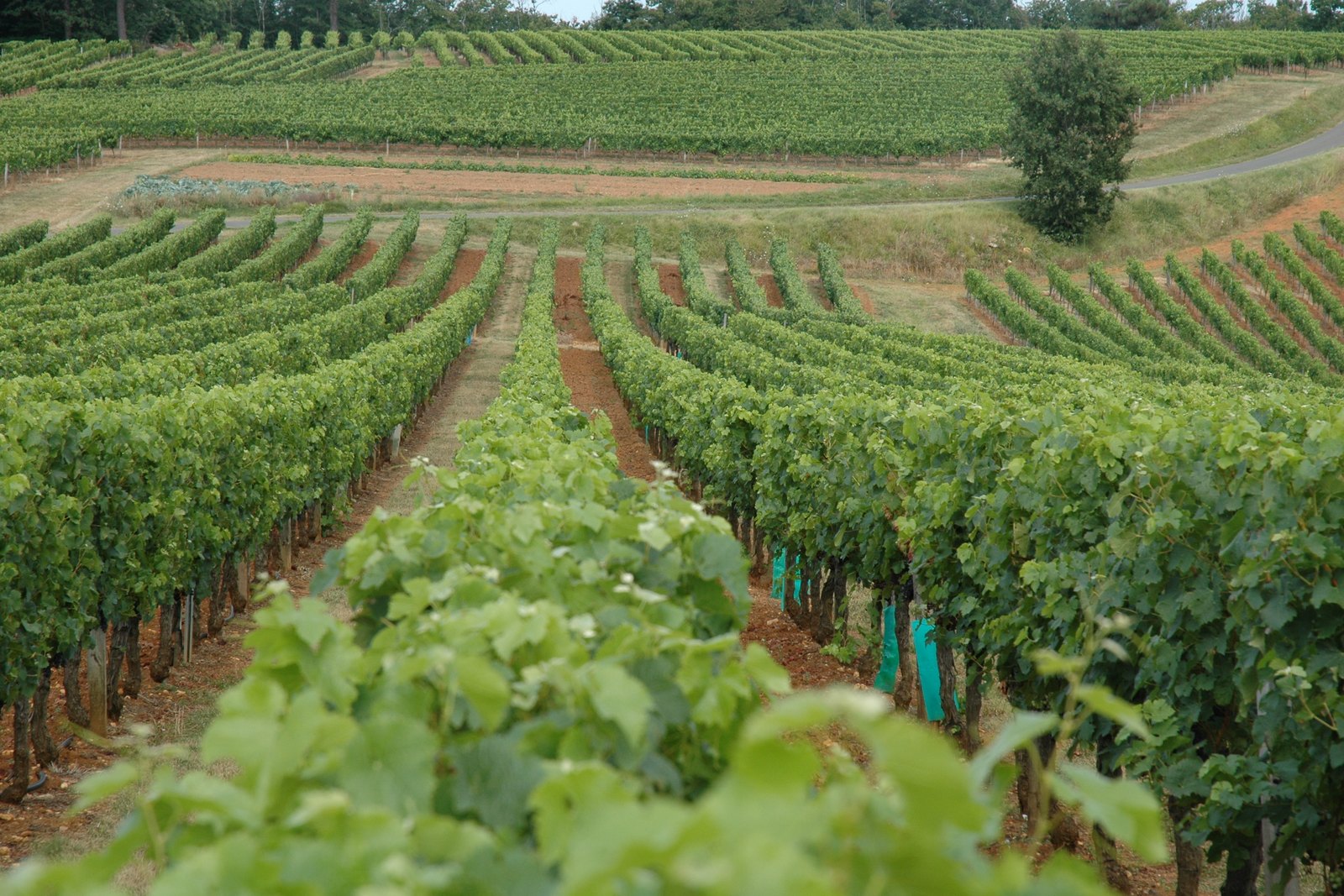
Malbec before the Argentine shorthand: Cahors is a red-only appellation in south-west France where the grape can show darker fruit, firmer structure and a more savoury frame.
The short version
If Malbec means Mendoza to you, Cahors is the place that makes the grape interesting again.
Not because one is the “real” Malbec.
And not because the French version is automatically more serious.
Cahors simply shows what happens when a familiar grape moves into a different landscape, tradition and set of expectations.
The appellation makes red wine only.
Malbec is the majority grape.
And the result can shift your reference point from plush Malbec towards structured Malbec.
The grape that matters
Cahors and Malbec are inseparable.
The grape has deep historical roots in this part of south-west France and remains the defining variety of the appellation.
The broad flavour family will not be alien to a Malbec drinker.
Dark fruit.
Sometimes red fruit too.
Violet-like floral notes.
Spice.
But the structural experience can be different.
Cahors can bring firmer tannin and a more savoury shape, with wines capable of developing over time.
That does not mean every bottle is a black, brutal monument.
Modern Cahors covers more ground than that stereotype.
The river is part of the map
Cahors wine country sits around the Lot river.
The river has cut valleys and meanders through the landscape, creating different terraces, slopes and exposures.
You do not need to learn the geological history of each terrace before buying a bottle.
The useful point is simpler:
Cahors is not one flat patch of Malbec.
Site matters inside the appellation, and producers can aim for very different levels of extraction, oak, polish and accessibility.
What makes it different from Mendoza
The lazy comparison is:
Argentina = ripe and soft.
Cahors = hard and rustic.
Reality is more interesting.
Both regions can make structured, ageworthy Malbec.
Both can make wines designed to be enjoyable earlier.
The most useful comparison is not nationality.
It is the balance between:
fruit,
freshness,
tannin,
alcohol,
oak,
and savoury character.
Cahors gives you a different way of arranging those elements.
How to read it on a label
A bottle may say Cahors far more prominently than Malbec.
That is normal.
European wine labels often lead with place because the appellation already carries rules about what can be grown and made there.
So if you are scanning a French shelf for Malbec, do not wait for the grape name to shout at you.
Look for:
Cahors.
Then check the back label or producer information if you want the exact blend.
If you already like
If you love Malbec because of dark fruit and body, Cahors is a very logical next step.
If you love Malbec because it feels soft and easy, choose carefully: Cahors may introduce more grip.
If you are trying to understand tannin, put Cahors beside a familiar Mendoza Malbec.
Do not ask which is better.
Ask:
Which feels firmer?
Which feels fresher?
Where does the fruit sit?
How much of what I am tasting is grape, and how much is place and winemaking?
That comparison teaches more than memorising another appellation.
The thing to remember
Cahors is not a French impersonation of Argentine Malbec.
It is one of the reasons Malbec cannot be reduced to Argentina in the first place.
Remember:
same grape, different centre of gravity.
That is the point of the detour.
Sources
- INAO, Cahors AOP official product page and specification: https://www.inao.gouv.fr/produit/cahors-8230