
Place
Rioja
Rioja is more than Tempranillo plus oak. It spans three major zones, permits 14 grape varieties and classifies wine by both origin and ageing: useful information, as long as you do not mistake the category for the taste.
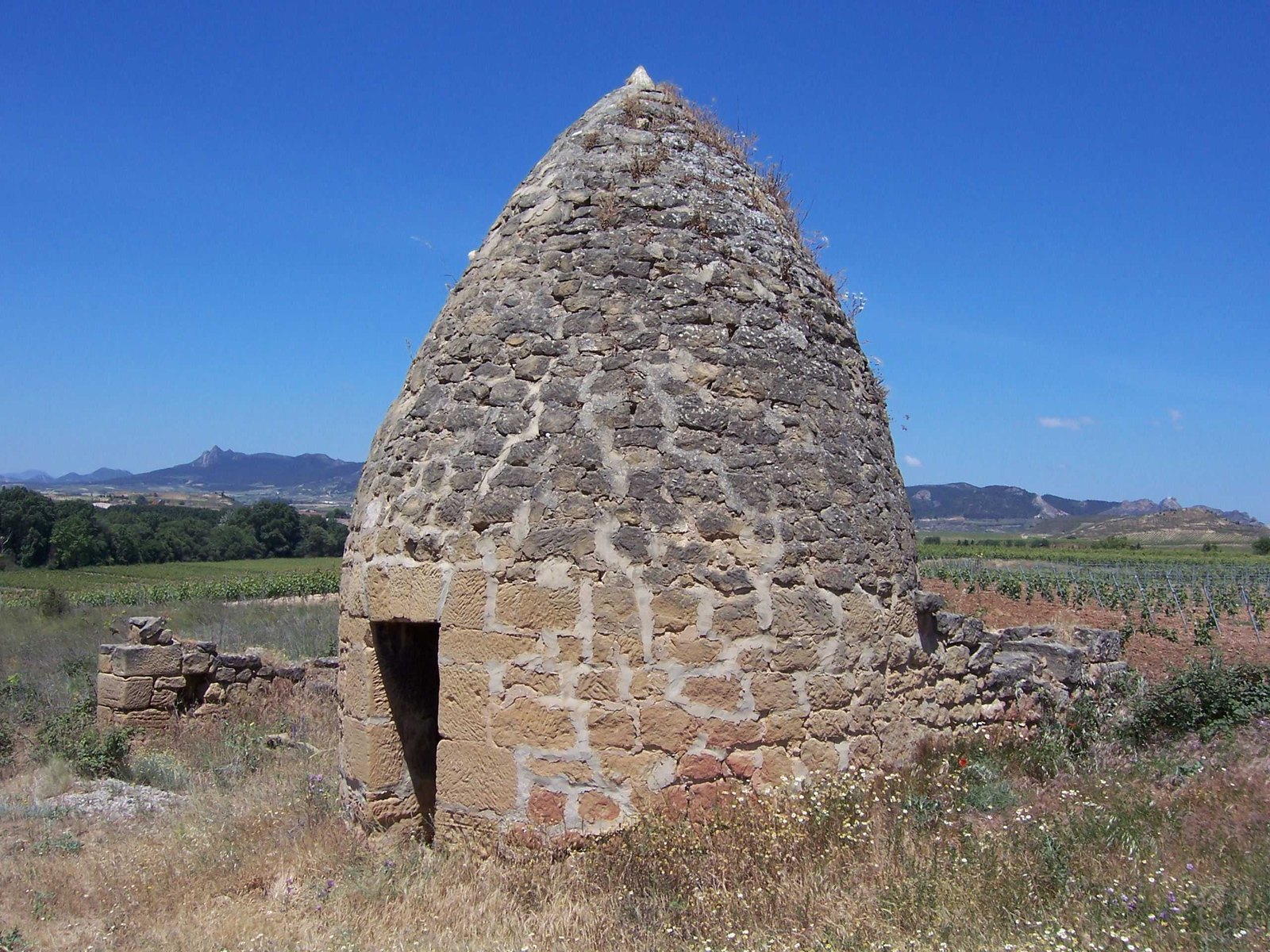
Rioja is a place first. Ageing is only one way of describing the wine
Rioja is one of those wine names that can sound like a style.
People say they like Rioja and often mean something quite specific:
red wine, Tempranillo, oak, softness, perhaps Crianza or Reserva.
That is a real part of Rioja.
It is not the whole region.
Rioja makes red, white, rosé and sparkling wine. It stretches across three major zones. And its modern labelling system can tell you about both where the wine comes from and how long it has been aged.
Those are different pieces of information.
The useful map
Rioja is divided into three broad production zones.
Rioja Alta
The western zone, with stronger Atlantic influence overall and substantial variation in altitude and site.
Rioja Alavesa
North of the Ebro in Álava, also strongly Atlantic-influenced and characterised by many relatively small vineyard plots.
Rioja Oriental
Further east, generally warmer and drier with greater Mediterranean influence, though altitude creates important cooler exceptions.
These are tendencies.
A zone name does not give you a complete tasting note.
Producer, grape mix, vineyard, altitude, vintage and winemaking still matter.
What you actually drink
Tempranillo is the dominant red grape in Rioja.
But it is not alone.
Garnacha, Graciano, Mazuelo and Maturana Tinta are also permitted red varieties.
For whites, Viura is the predominant variety, alongside several others.
And Rioja is not only red.
The denomination includes white, rosé and sparkling wine as well.
That matters because “Rioja” tells you origin first, not colour.
The key variable: are you being told about origin, ageing, or both?
Rioja has two useful classification languages running alongside each other.
One describes origin.
You may see the broad DOCa Rioja designation, one of the three zones, a municipality, or a Viñedo Singular designation tied to a specific geographical site.
The other describes ageing.
For red wine, the familiar categories include:
Crianza: at least two years of ageing in total, including at least one year in barrel.
Reserva: at least three years in total, including at least one year in barrel and at least six months in bottle.
Gran Reserva: at least five years in total, including at least two years in barrel and two years in bottle.
These rules tell you about maturation.
They do not tell you whether you will prefer the wine.
How to read the label
Start by separating three questions.
Where is it from?
Look for Rioja generally, or more specific origin such as Rioja Alta, Rioja Alavesa, Rioja Oriental, a municipality or a singular vineyard designation.
What is it made from?
Tempranillo may dominate many reds, but blending remains important and Rioja has a much broader permitted-variety set.
How has it been matured?
Generic, Crianza, Reserva and Gran Reserva communicate different ageing requirements.
Do not turn those three questions into one ladder.
A more aged wine is not automatically a better choice for tonight.
What people often misunderstand
Rioja does not mean Reserva.
Ageing category is one dimension of the wine.
Reserva is not automatically better than Crianza.
It has different minimum ageing requirements, not a guaranteed higher enjoyment score.
Rioja is not only red.
White, rosé and sparkling wines are part of the denomination.
Rioja is not one climate or one style.
The region runs roughly 100 kilometres across Atlantic and Mediterranean influences, with substantial variation inside each zone.
Start here
If you want fruit before oak
Look at younger or less oak-led Rioja and pay attention to grape and origin rather than assuming Rioja must taste mature.
If you want to understand ageing
Taste Crianza, Reserva and Gran Reserva as different maturation choices, not as a hierarchy you are required to climb.
If you want place to matter more
Look for zone, municipality or single-site origin information and compare wines without assuming the zone alone determines the taste.
If you think Rioja means red
Try a white Rioja and reset the category.
Worth knowing
Rioja now gives the drinker more ways to see where a wine comes from than the old ageing shorthand alone suggests.
That shift is useful because place and time in oak answer different questions.
Sources
- Consejo Regulador DOCa Rioja, official DOCa Rioja information: https://riojawine.com/es/doca-rioja/denominacion-de-origen-calificada/
Further reading
Learn
What oak actually does to wine
Oak can change aroma, flavour, texture and the way a wine matures. But “oaked” does not mean one taste, and it certainly does not mean better. The useful question is what the wood is doing to this particular wine.
Learn
How to read a wine label without learning another language
Most wine labels contain more information than you need and less explanation than you want. Start with six things: who made it, where it comes from, the grape if shown, the vintage, any useful local style term and the alcohol level.
Guide
If you love Malbec, drink these next
Do not search for another grape that tastes exactly like Malbec. Work out whether you love the dark fruit, generous body, smoothness, spice or freshness, then keep that part and change something else.