
Place
Burgundy
Burgundy is easier once you stop trying to memorise famous names. Chardonnay and Pinot Noir do most of the work; the place on the label tells you how narrowly the wine's origin has been defined.
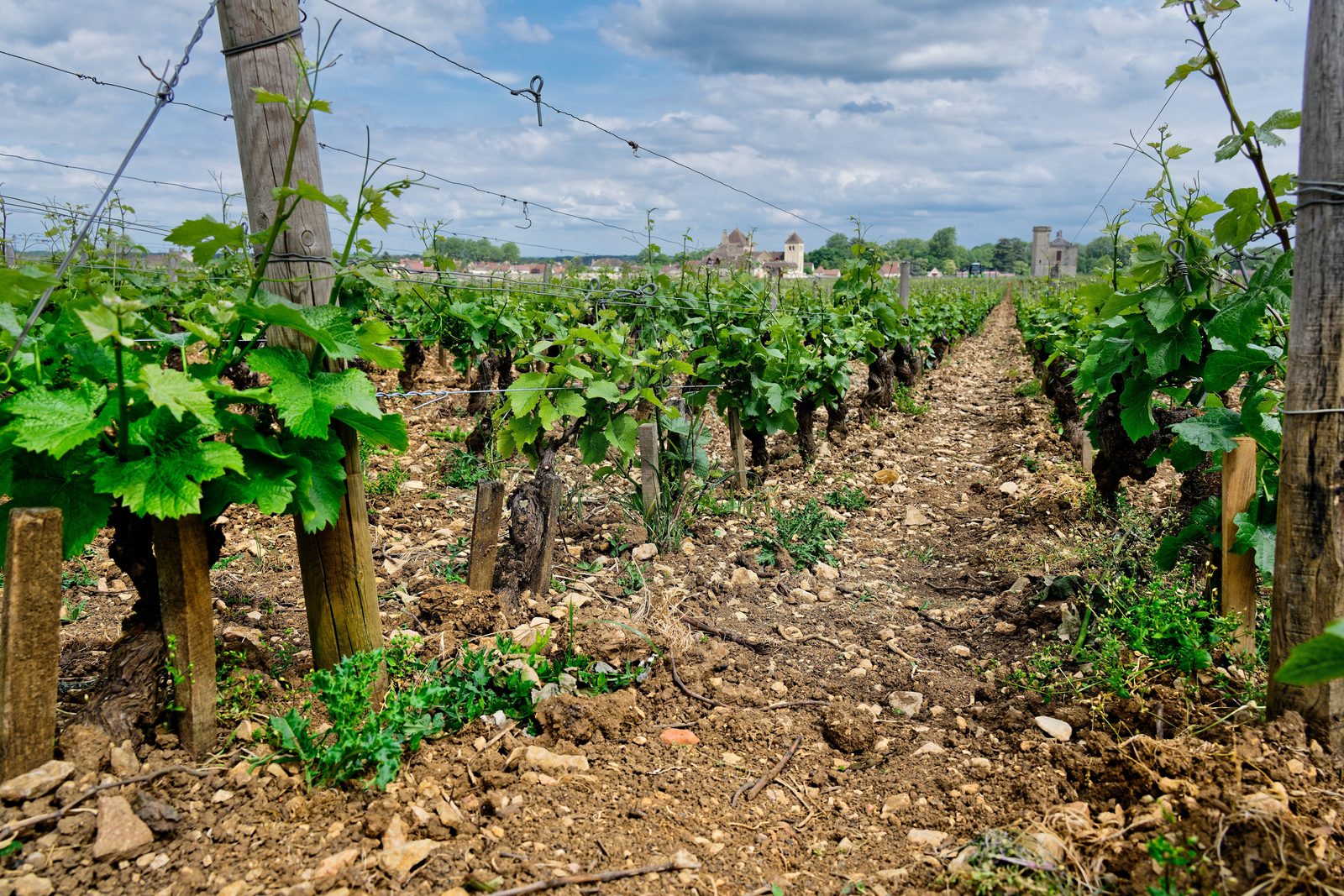
In Burgundy, the grapes are relatively simple. The map is the hard part
Burgundy has a reputation for being difficult.
Some of that is deserved.
There are many place names, vineyard names and classifications, and the most famous bottles can make the whole region feel like private knowledge.
But the useful starting point is much simpler.
Two grapes dominate Burgundy: Chardonnay in white wine and Pinot Noir in red.
The complexity comes from where those grapes are grown.
So rather than trying to memorise Burgundy wine by wine, start by learning how the region talks about place.
The useful map
You do not need every village in your head.
A first map can be much broader:
Chablis
The northern outpost, overwhelmingly associated with Chardonnay and a useful place to understand a fresher, tighter side of the grape.
Côte de Nuits
The part of the Côte d'Or most strongly associated with Pinot Noir and many of Burgundy's famous red-wine villages and vineyards.
Côte de Beaune
Important for both colours, including some of the world's best-known Chardonnay villages as well as substantial Pinot Noir.
Côte Chalonnaise
A useful reminder that Burgundy continues beyond the most famous Côte d'Or names, with both red and white wines.
Mâconnais
Further south, especially important for Chardonnay and often a useful way into broader, riper expressions of white Burgundy.
This map is deliberately incomplete.
It is enough to begin making sense of a label.
What you actually drink
Bourgogne Wines lists Chardonnay at 57% of vineyard area and Pinot Noir at 34%.
That tells you why the region can feel simultaneously simple and complicated.
The grape choice is often straightforward.
The place is where the detail lives.
Aligoté, Gamay and other varieties exist too, but Chardonnay and Pinot Noir are the useful foundation for a first mental model.
The key variable: how specific is the place?
Burgundy's appellation system moves from broad origin towards increasingly specific origin.
At a simplified level, the label hierarchy feels like:
Regional → Village → Premier Cru → Grand Cru.
Technically, Premier Cru sites sit within Village appellations.
A Regional Burgundy may draw from a much wider area.
A Village appellation narrows the origin considerably, usually to a named commune.
Premier Cru identifies qualifying Climats within a Village appellation.
Grand Cru is the most specific level: 33 separate appellations, generally named for individual sites.
That hierarchy tells you something real about origin and regulation.
It does not tell you whether a particular bottle is the right wine for you.
Producer, vintage, farming, winemaking and your own taste still matter.
How to read the label
The most useful Burgundy habit is this:
look for the place name before looking for the grape name.
French Burgundy often expects you to know that Chablis means Chardonnay, or that a red Gevrey-Chambertin is Pinot Noir.
That can feel unfriendly until you realise the label is answering a different question.
It is telling you where the wine comes from.
Another word worth knowing is Climat.
In Burgundy, a Climat is not the weather. It is a precisely delimited, named vineyard plot with a long-established identity.
You do not need to memorise the Climats.
You need to know why the map keeps getting more specific.
What people often misunderstand
Burgundy does not mean one style of Chardonnay or Pinot Noir.
The same grape can change substantially across the region.
Grand Cru is not a command to prefer the wine.
It is an origin classification, not a personal taste score.
Chablis is Burgundy.
It can feel stylistically and geographically separate, but it belongs to the Burgundy wine region.
You do not need to start with famous villages.
Regional and less famous appellations can teach the map perfectly well.
Start here
If you want to understand Chardonnay
Compare Chablis with a riper Chardonnay from the Mâconnais.
If you want to understand Pinot Noir
Start with the fact that pale colour and lighter body do not prevent serious structure, then explore how village and site change the shape.
If the labels intimidate you
Ignore Premier Cru and Grand Cru for a moment.
Find the broad area, identify the likely grape, and ask whether the wine sounds like a style you actually want.
That is enough information to make progress.
Worth knowing
Burgundy has 84 AOCs.
That number is useful mainly as permission not to memorise them all.
Sources
- Bourgogne Wine Board, “Pinot Noir and Chardonnay: the Bourgogne region's two noble grape varietals”: https://www.bourgogne-wines.com/wine-and-terroir/our-grape-varietals-our-colors/pinot-noir-and-chardonnay-the-bourgogne-region-s-two-noble-grape-varietals,2475,9265.html
- Bourgogne Wine Board, “Decoding the AOCs of Bourgogne wines”: https://www.bourgogne-wines.com/our-wines-our-terroir/decoding-the-aocs/bourgogne-wines-decoding-the-aocs,2467,9263.html
- Bourgogne Wine Board, “The Bourgogne winegrowing region: a mosaic of terroirs”: https://www.bourgogne-wines.com/our-wines-our-terroir/locating-the-bourgogne-winegrowing-region/the-bourgogne-winegrowing-region-a-mosaic-of-terroirs,2465,9262.html
- UNESCO World Heritage Centre, “The Climats, terroirs of Burgundy”: https://whc.unesco.org/en/list/1425
Explore the grapes
Chardonnay
You might hate buttery Chardonnay. Or oaky Chardonnay. Or Chardonnay that feels big and heavy. That is not quite the same thing.
Pinot Noir
Often lighter in weight, rarely short on character. Pinot Noir is a useful reminder that pale colour and a lighter body do not mean a wine has less to say.
Further reading
Learn
How to read a wine label without learning another language
Most wine labels contain more information than you need and less explanation than you want. Start with six things: who made it, where it comes from, the grape if shown, the vintage, any useful local style term and the alcohol level.
Learn
Why place matters
Place can change wine because it changes the conditions in which the vine grows. Climate, water, topography, soil and human practice interact, but that is very different from saying you can literally taste rocks in the glass.
Journal
Climate change is changing what “classic” wine tastes like
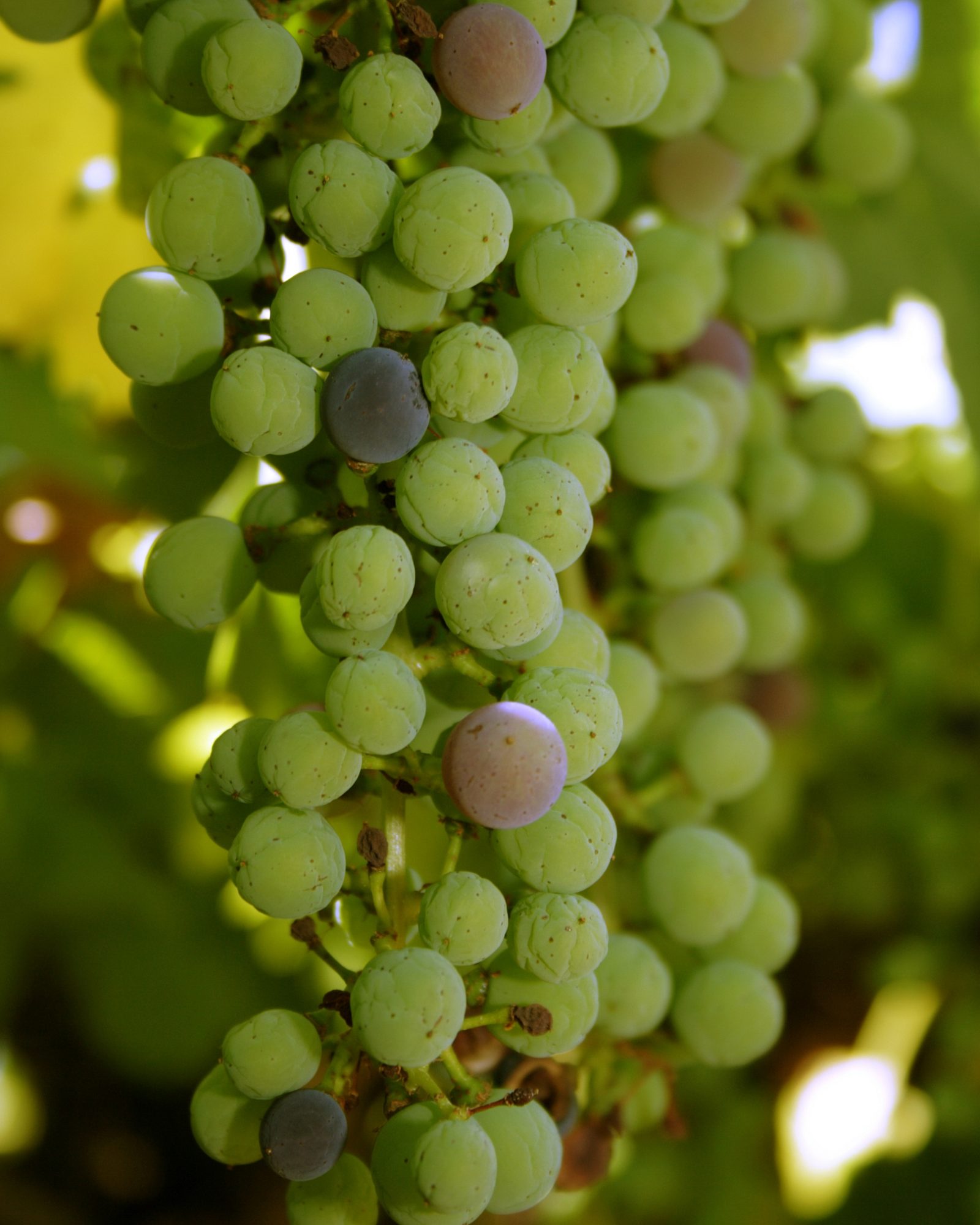
Wine regions are built around the idea that place gives a wine identity. But climate is part of place, and it is moving. Preserving a “classic” regional style may increasingly require changing how that style is made.
Learn
Why the same grape can taste completely different
A grape name is a useful clue, not a flavour recipe. Place, weather, harvest timing, fermentation, oak, lees and time can pull the same variety in strikingly different directions.